Maternal mortality
The highest rate among high-income countries.
Better outcomes, with midwives integrated into care.
Midwifery is skilled clinical care across pregnancy, birth, postpartum and the early weeks of a baby’s life.
The World Health Organization describes midwifery as skilled, knowledgeable and compassionate care for women, newborns and families across the continuum from pre-pregnancy through postpartum. World Health Organization (opens in a new tab)
In the United States
≈4
midwives per 1,000 live births
Where midwives are integrated
25–70
midwives per 1,000 live births, across six countries compared
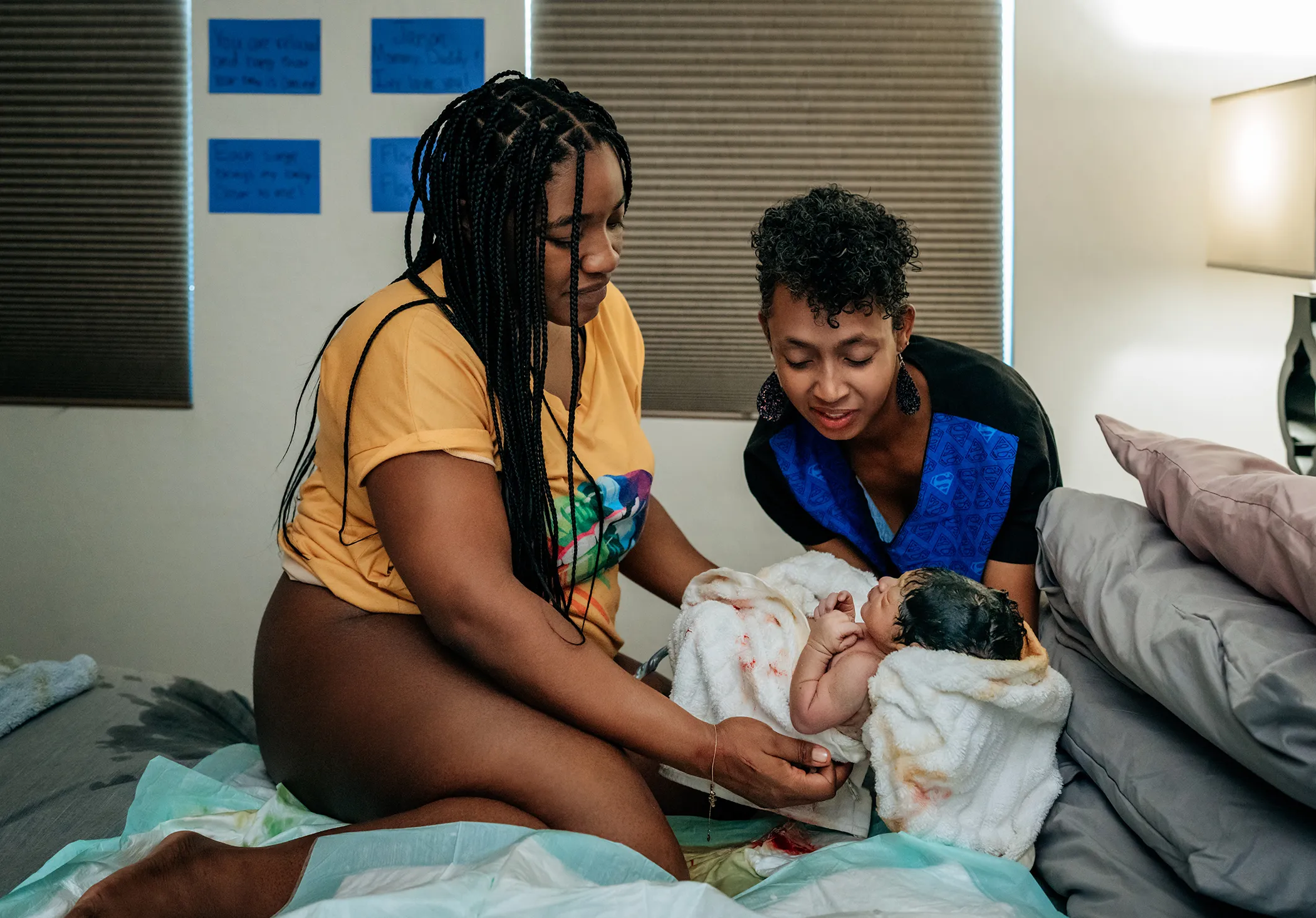
Midwives monitor physical recovery, blood pressure, bleeding, feeding, newborn health and emotional wellbeing.
But they also do something increasingly difficult to provide in a busy medical system:
They have time to know the woman.
That relationship is not simply comforting; it is clinically important.
The United States has some of the most advanced hospitals, physicians and medical technology in the world. Yet among high-income countries, the U.S. continues to have the highest maternal mortality rate. And many of the countries achieving better outcomes have something deeply integrated into their healthcare systems that America has not fully embraced: Midwives. Commonwealth Fund (opens in a new tab)
And research suggests that maternity systems with greater integration of midwives have better outcomes, including higher rates of spontaneous vaginal birth and breastfeeding and lower rates of cesarean birth, preterm birth, low birthweight and neonatal mortality. National Academies (opens in a new tab)
Midwifery is not an alternative to modern medicine.
It is a missing layer of it.
The highest rate among high-income countries.
Better outcomes, with midwives integrated into care.
70 Australia
69 Sweden
54 Norway
49 New Zealand
48 United Kingdom
25 Netherlands
Most recent data available (U.S.: 2016) Commonwealth Fund (opens in a new tab)
With appropriate education and integration into interdisciplinary healthcare systems, midwives can provide approximately 90% of essential sexual, reproductive, maternal, newborn and adolescent health services.
Among the high‑income countries studied, the United States was the only one that did not guarantee postpartum home visits.
Commonwealth Fund (opens in a new tab) 2024 international comparison
A home visit from a midwife allows a provider to see something that cannot always be seen during a short office appointment:
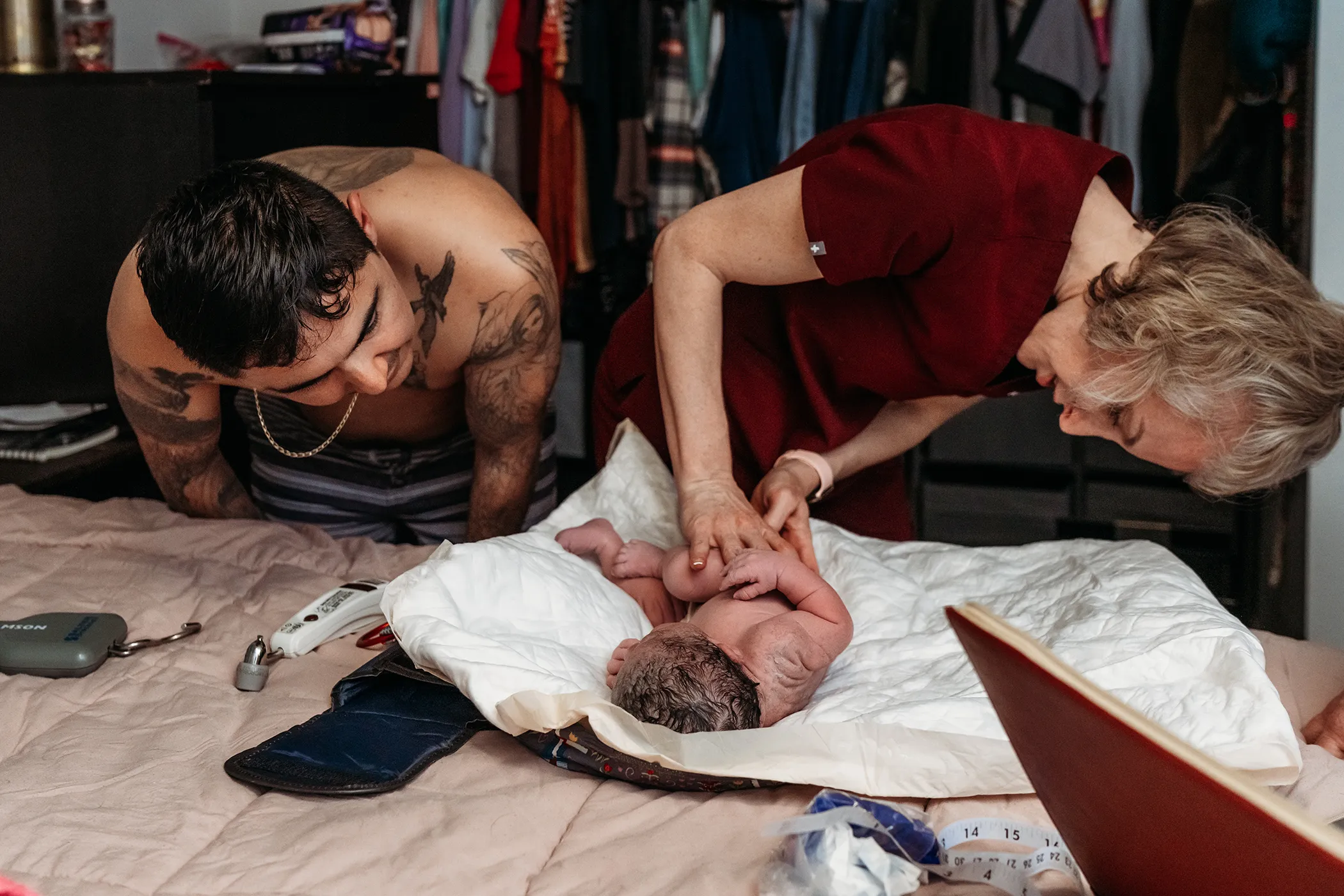
the mother’s real life.
A postpartum home visit creates time to ask questions, observe, listen and identify concerns that may otherwise go unnoticed until they become more serious. The Commonwealth Fund reports that postpartum home visits by midwives or nurses are associated with improved mental-health and breastfeeding outcomes and reduced healthcare costs.
Midwives and physicians bring different expertise to maternal healthcare. A strong system uses both.

In the United States
Today, many mothers return home from the hospital and are expected to navigate physical recovery, feeding, newborn care, hormonal changes, sleep deprivation and mental health largely on their own. Sometimes the next traditional medical appointment isn’t for weeks.
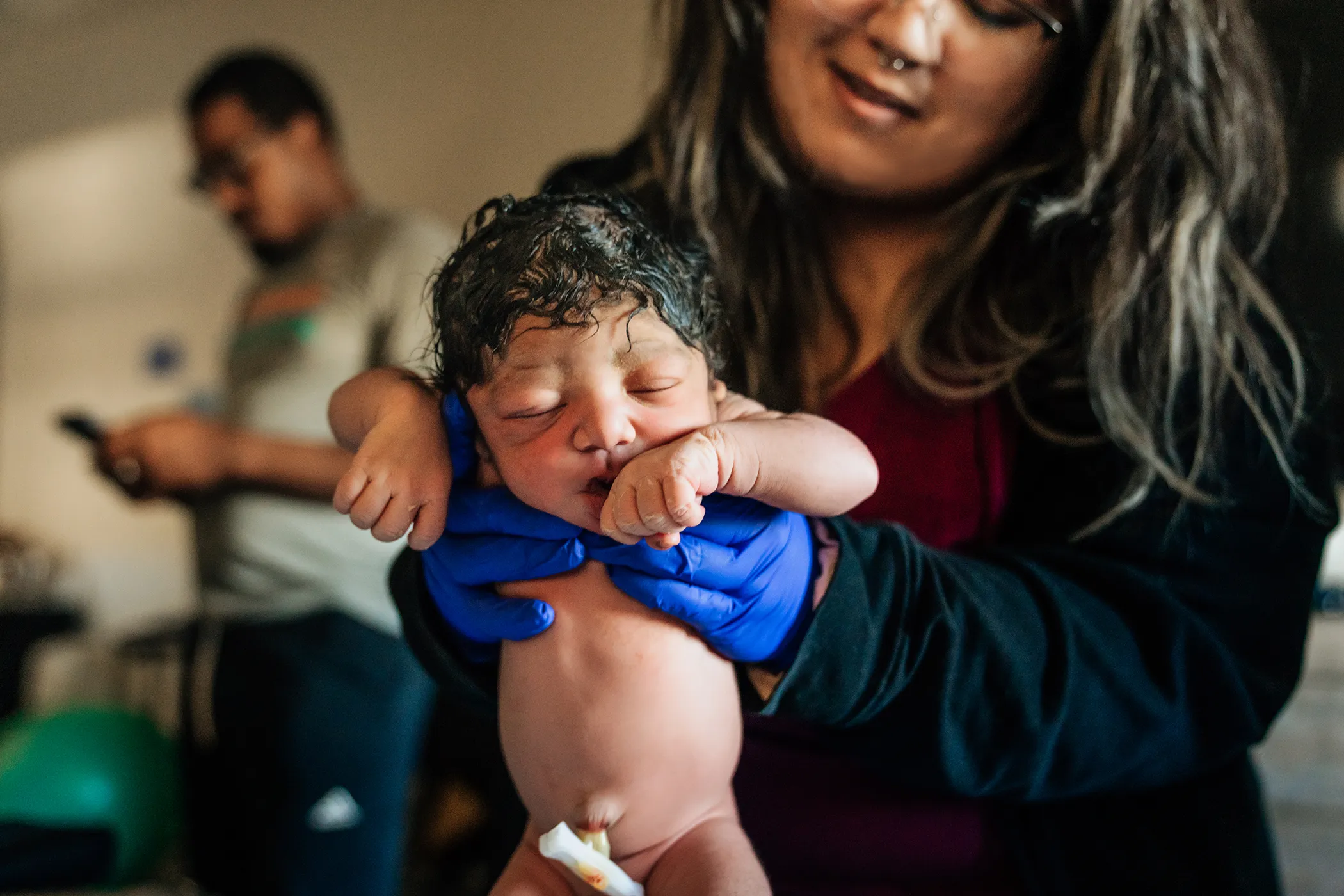
Where midwives are integrated
The World Health Organization is calling for countries to transition toward midwifery models of care integrated within health systems—care that is continuous, person-centered and coordinated with interdisciplinary teams when additional medical expertise is needed. World Health Organization (opens in a new tab)
Connected care
= Hospital care + physician expertise + community midwifery + postpartum support.

We help bring skilled maternal care back into the community—while keeping women connected to the medical system when they need it.
Because better maternal healthcare is about what happens before birth, after birth, and at home.
When mothers are cared for, families thrive.